
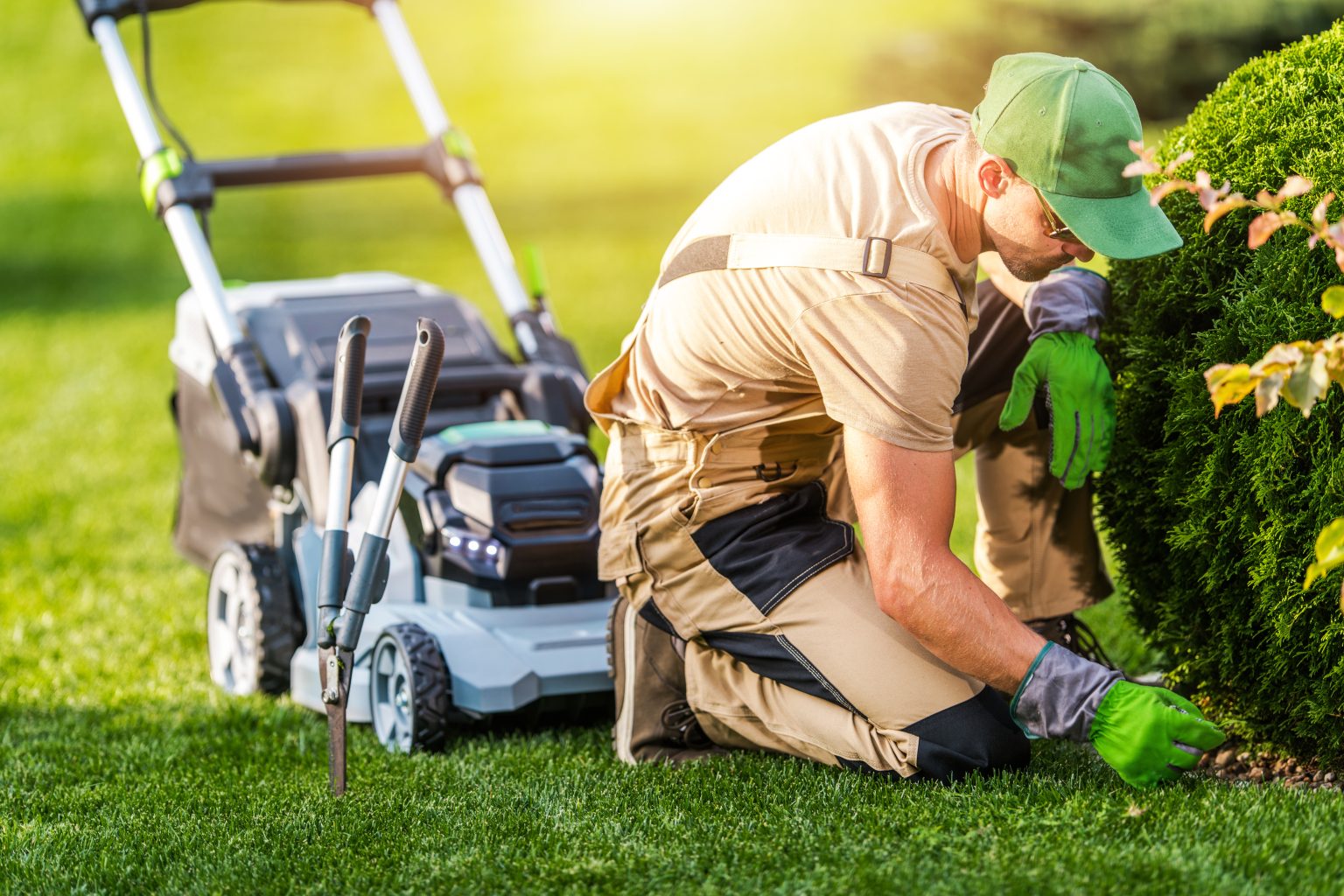
Fall leaves are not automatically waste, but they are not automatically beneficial everywhere either. In a Kitsap yard, the right decision depends on where the leaves land, how deep they become, how quickly they get wet, and what lies beneath them.
A light layer may be useful around plants or manageable on a lawn after mowing. A dense, wet mat on turf, steps, gutters, or a drainage route is a different matter. Use this guide to sort your yard into areas where leaves can stay, areas where they should be moved, and areas that need prompt cleanup.
The quick decision guide
- Garden beds and beneath shrubs: Leaves can often remain if they form a loose, moderate layer and are kept away from stems and trunks.
- Lawn: Mulch a light, dry scattering with a mower. Remove or redistribute leaves when they form a wet, continuous mat that hides the grass.
- Walkways, steps, patios, and driveways: Remove leaves, especially once they become wet or conceal edges and surface defects.
- Roof gutters and downspout openings: Clear accumulated leaves before sustained fall and winter rain.
- Storm drains, driveway drains, ditches, and swales: Keep the intended water route open. Do not blow or rake leaves into the street or drainage system.
- Diseased or pest-damaged plant material: Separate it from leaves intended for reuse and identify an appropriate disposal method.
- More leaves than you can use: Check your curbside compost service or arrange appropriate collection or hauling.
Where leaves can usually stay
Leaves can serve as organic mulch in established planting areas. Washington State University guidance identifies leaves as one of the organic materials that can help conserve moisture, limit weeds, and feed the soil as they decompose. Its sustainable-landscape guidance suggests approximately 1 to 3 inches of leaves or other suitable organic material in flower and vegetable beds, while woody plants may benefit from a deeper layer of appropriate mulch.
Those measurements are guidance, not a reason to bury every bed. Large, leathery leaves can pack together differently from smaller or shredded leaves. Wind exposure, drainage, plant size, and existing mulch also affect how much is useful.
In established beds, spread leaves rather than leaving them in dense piles. Shredding or chopping them can help create a more even layer and reduce matting. Keep mulch from being packed directly against tree trunks, shrub stems, and perennial crowns. If the material feels compressed and soggy rather than loose, thin it or move some elsewhere.
When to mulch leaves into the lawn
A small amount of dry leaf material does not necessarily require bagging. If grass is still visible through the leaves, a mulching mower can chop them into smaller pieces that settle between the grass blades. Mow only when conditions are suitable for operating your equipment, and make another pass if the first leaves large pieces or clumps.
Stop mulching when the mower cannot distribute the material evenly. A thick blanket of wet leaves can block light and air from the grass and create the same smothering effect sometimes used intentionally when converting lawn into a planting bed. WSU Master Gardener guidance specifically distinguishes between mowing a manageable layer and removing heavy, wet accumulations that cover turf.
A practical test is to look back after mowing. If the grass is mostly visible and the leaf pieces are dispersed, the material can generally remain. If shredded leaves still form piles, rows, or a continuous cover, collect the excess and use it in a bed, compost pile, or approved yard-waste stream.
Where leaves should be removed
Paths, stairs, patios, and driveways
Clear leaves from walking and driving surfaces instead of waiting for the final leaf drop. Wet leaves can conceal step edges, uneven paving, roots, and other surface conditions. Pay particular attention to sloped paths, exterior stairs, accessibility routes, and frequently used entrances.
Gutters and downspouts
Kitsap County recommends inspecting and removing leaves, pine needles, and other debris from roof gutters as part of preparing for winter rain. Check downspout openings and visible discharge points at the same time. If the work requires unsafe ladder use, roof access, or reaching near electrical service, leave it to an appropriately equipped provider.
Drainage routes
Leaves should not be allowed to block driveway drains, catch-basin grates, drainage ditches, culvert openings, swales, or channels intended to carry water safely. Kitsap County advises property owners to keep their stormwater systems free of sediment and debris and warns residents not to remove storm-drain lids or enter a drain. Do not attempt to clear a drain located in a busy street.
Move loose leaves away from the curb before heavy rain rather than blowing them toward a storm drain. Yard debris can clog drainage infrastructure, and runoff can carry organic material into downstream waters.
What to do with leaves you remove
Start by keeping what your property can use. Suitable leaves may be shredded into planting beds, added gradually to a managed home compost pile, or saved as a carbon-rich material for later composting. Avoid importing weeds, diseased plant debris, or contaminated roadside material into areas where you grow food or maintain valued plants.
For the excess, Kitsap County’s curbside compost guidance currently lists leaves, grass, plant trimmings, and branches smaller than 3 inches in diameter and 4 feet long as accepted yard waste. Dirt, rocks, plastic bags, pet waste, and noxious weeds are among the materials the county says not to place in compost carts. Check your provider’s current cart, preparation, and pickup rules before setting material out.
The county’s waste collection page identifies WM for unincorporated Kitsap County, Bremerton, and Port Orchard; Bainbridge Disposal for Bainbridge Island; and City of Poulsbo Solid Waste for Poulsbo. The page says compost collection is available in each of those areas, but service enrollment, collection frequency, and account-specific rules should be confirmed directly with the applicable provider.
Do not make burning the backup plan
As checked on August 29, 2026, Kitsap County’s official burn-ban page showed a Stage 2 outdoor burn ban effective August 5, 2026, with burn permits suspended. Burn-ban conditions can change, so the official page must be checked again immediately before publication and before making any disposal decision involving outdoor fire. Under the currently posted restrictions, burning leaves should not be presented as a fall cleanup option.
When collection or professional hauling may make sense
Outside help may be practical when leaf volume exceeds your compost-cart capacity, the property has extensive paved or drainage areas, or cleanup would require roof access, difficult slopes, or equipment you do not have. It can also help when a single cleanup would simply move the problem and repeat visits are needed during peak leaf drop.
Before hiring, ask whether the quoted work includes blowing or raking, removal from beds and turf, gutter work, loading, hauling, disposal fees, and a final check of accessible drainage grates. Confirm where the material will go and whether the business performs hauling itself or uses another authorized provider. Kitsap County notes that solid-waste hauling is regulated and directs residents hiring a junk hauler to use one permitted by the Kitsap Public Health District.
A practical order of work
- Clear entrances, walkways, steps, and driving surfaces.
- Open visible drainage routes before the next significant rain.
- Inspect gutters and downspout outlets from a safe location.
- Mulch a light, dry layer into suitable lawn areas.
- Redistribute useful leaves into planting beds without piling them against plants.
- Place remaining acceptable material in the correct compost stream.
The goal is not a perfectly leaf-free yard. It is a yard where useful organic material remains in appropriate places while turf, walking surfaces, gutters, and drainage routes continue to function. If the volume or access makes that difficult, the next step is to compare local cleanup providers and ask specifically how leaf collection, hauling, and disposal are handled before scheduling work.